The Class Action
The decision to take a class action against the owners of the Cadia mine—Newmont Mining—follows a four-year, community-based campaign and more than 18 months of research by scientists and William Roberts Lawyers.
Throughout that time, CCSN has sought unsuccessfully to engage with the mine owners to resolve concerns about contamination in the community. The mine’s licence does not entitle it to harm its neighbours or the environment.
While the NSW Environmental Protection Authority has previously taken legal action against the mine’s owners for environmental breaches, a $325,000 fine for a global corporation that makes tens of millions of dollars each week from one of the largest gold and copper mines in the southern hemisphere is not a genuine deterrent.
Contamination from the mine risks causing multi-generational environmental catastrophe that will persist long after the mine owners and investors have made their money and walked away.
A class action is therefore the only legal tool available to fund a case against a global corporation and to collectively protect the civil rights of people in the community, as well as those of future generations.
We believe this step is the most effective way to hold the owners of Cadia to account.
The CCSN is not seeking the closure of the mine.
It is simply asking it to be a good and responsible neighbour.
Information for potential Group Members
For information about the class action, including who is eligible to participate (“group members”), please see the William Roberts Lawyers website.
CCSN encourages group members to register their details with William Roberts Lawyers, which will enable you to receive up to date information about the case.
Environmental testing and data collection
Many people have asked us how to arrange for contamination testing. CCSN has worked with scientists to complete a significant amount of environmental sampling, monitoring and health testing across the community, for around 2 years prior to commencing the Class Action. We are happy to share our experience on the following:
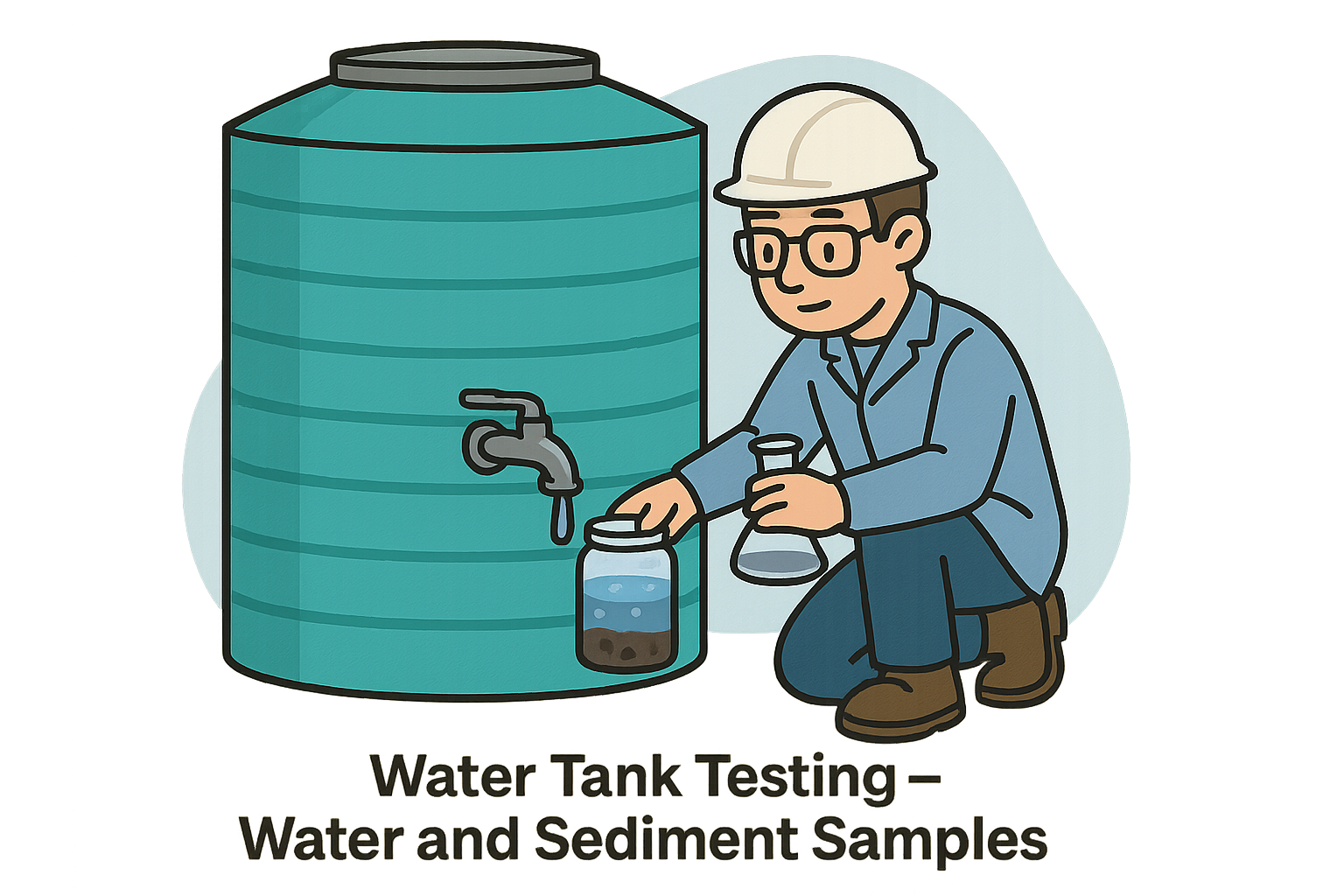
Water tank testing – water at top of tank, water at bottom of tank and sediment layer;
Tap sampling – for household drinking water;
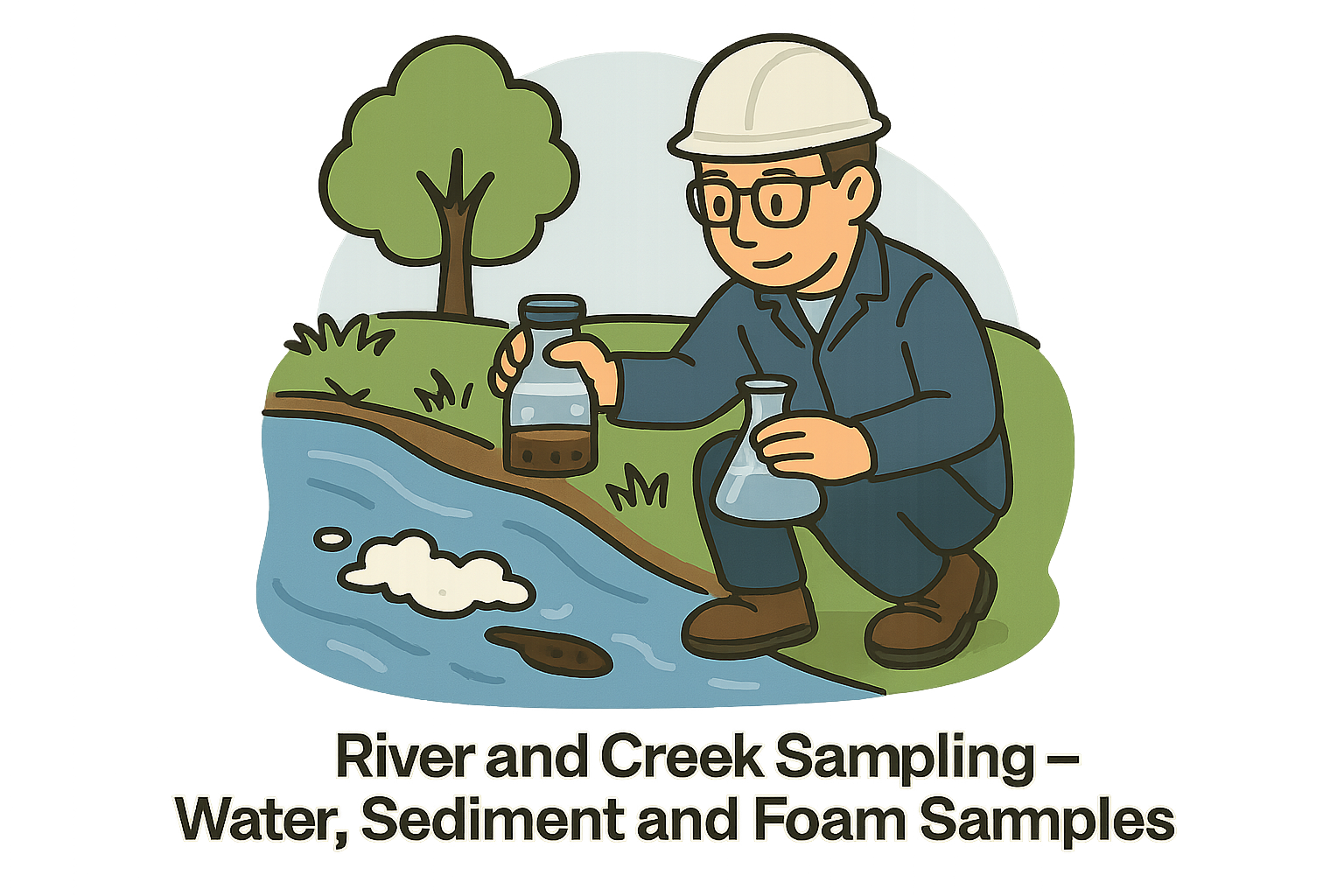
River and creek sampling – water, sediment and foam samples;
Dam and pond sampling – water and sediment (in particular, potential monosulfidic black ooze);
Gutter dust sampling; and
Bore sampling.
You are free to arrange sampling and testing for potential contamination at your property, if you would like to do so. If you would like to use the same environmental consultants as the Plaintiffs, please contact:
Craig Helbig (and his team at ENV Solutions): https://envsolutions.com.au/ | Tel: 1300 861 325
A range of analytes can be tested depending on the media sampled, including PFAS, heavy metals, ions (including chloride and sulfate ratios), water quality field parameters (such as EC, pH, turbidity, temperature, alkalinity). If you are not sure what to test for, please ask your environmental consultant for assistance, and please have a look at the CCSN website (‘Photo Gallery’ and ‘Video Gallery’) for examples.
If you see any potential contamination or matters of concern – CCSN encourages you to take photos, take samples, and note down coordinates (through the use of a GPS app).
Please keep all receipts of any sampling you have paid for, as these can be uploaded through the Sedgwick group member portal as evidence of loss and damage.
If you have any concerns or questions, please do not hesitate to contact William Roberts Lawyers: (02) 9552 2111.