The Mine’s Impact
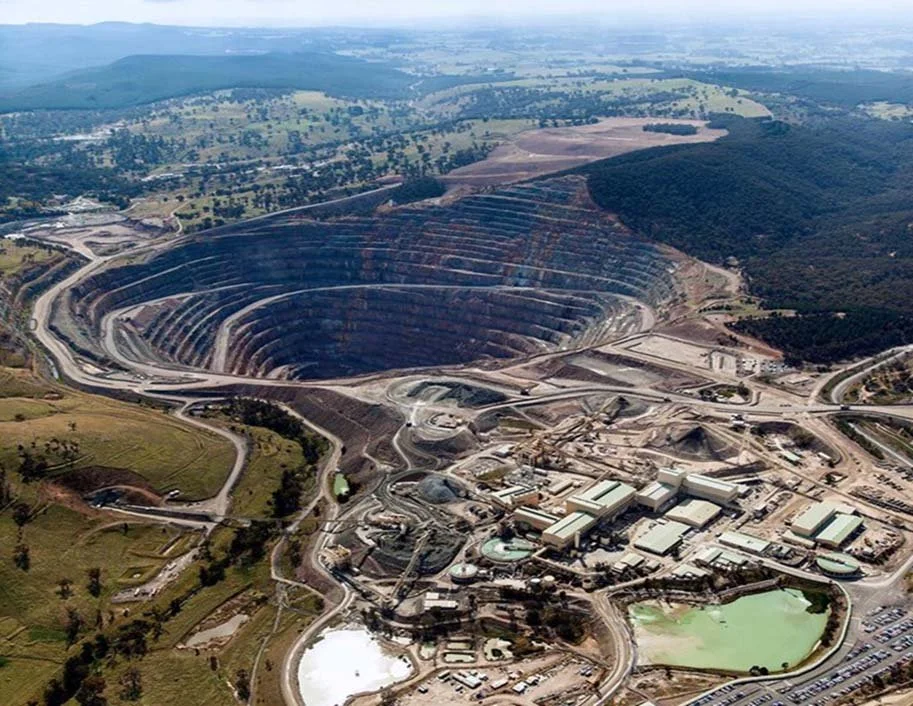
Photo: Brook Mitchell, Sydney Morning Herald
The history of the Cadia gold mine over the last decade is a cascading series of environmental errors.
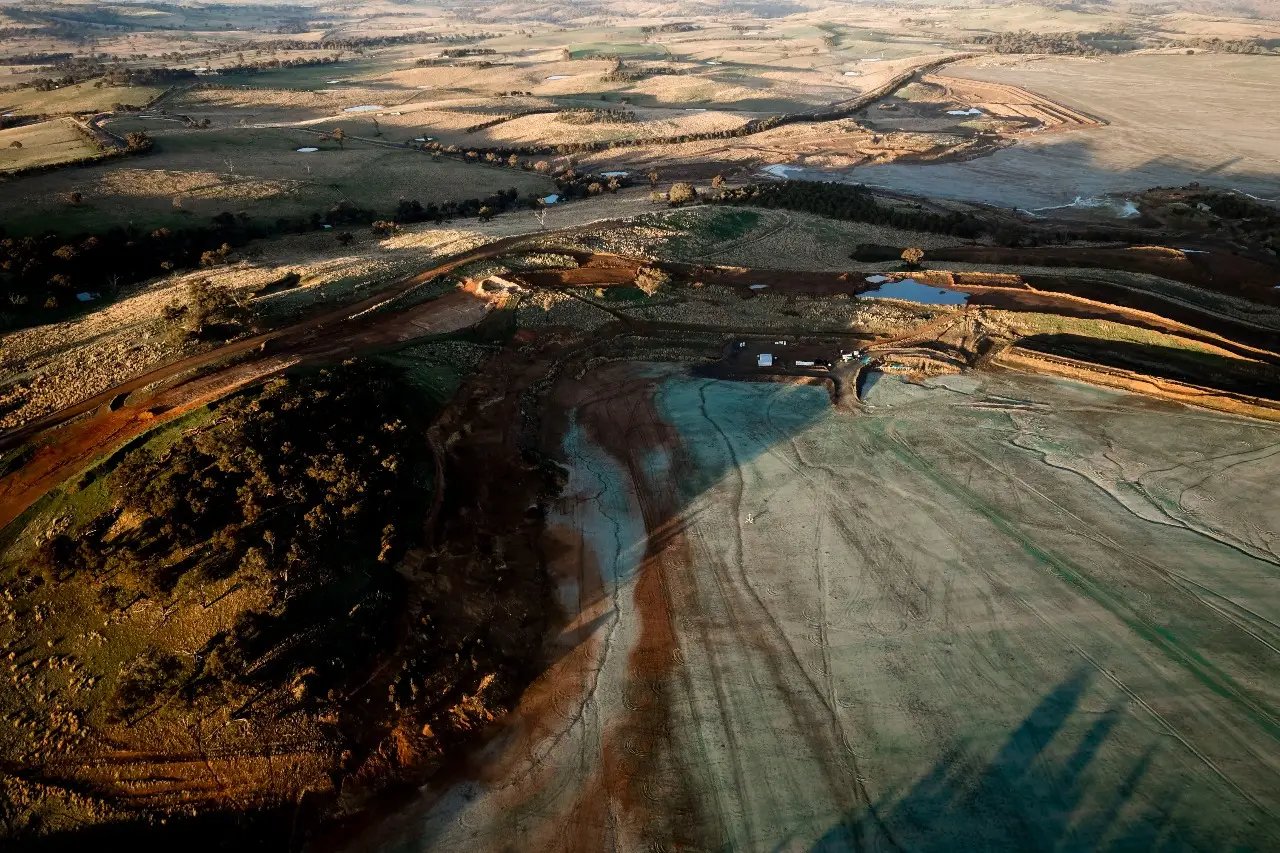
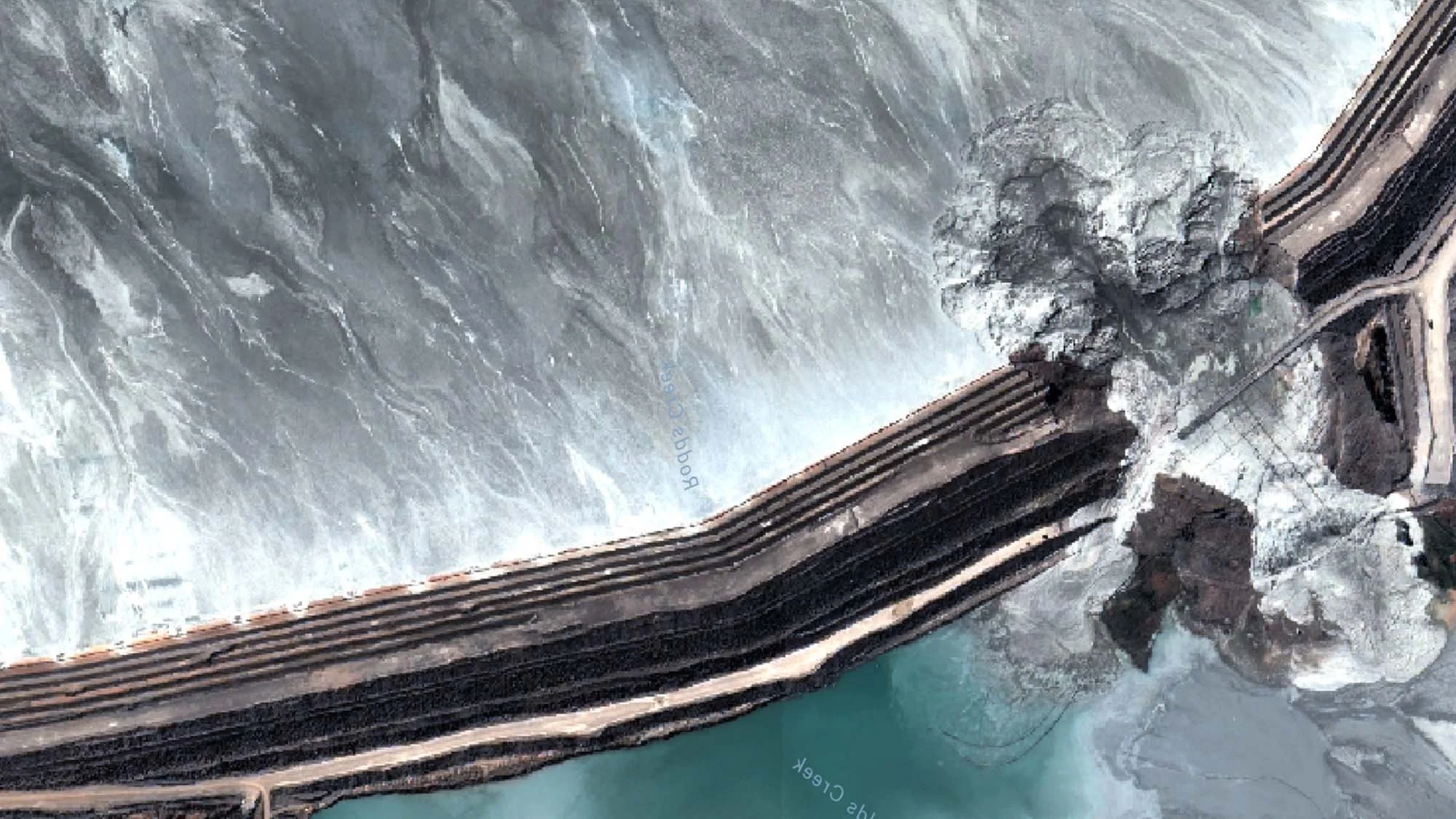
Built on geographical fault lines, a tailings dam containing toxic mining waste collapsed in 2018.
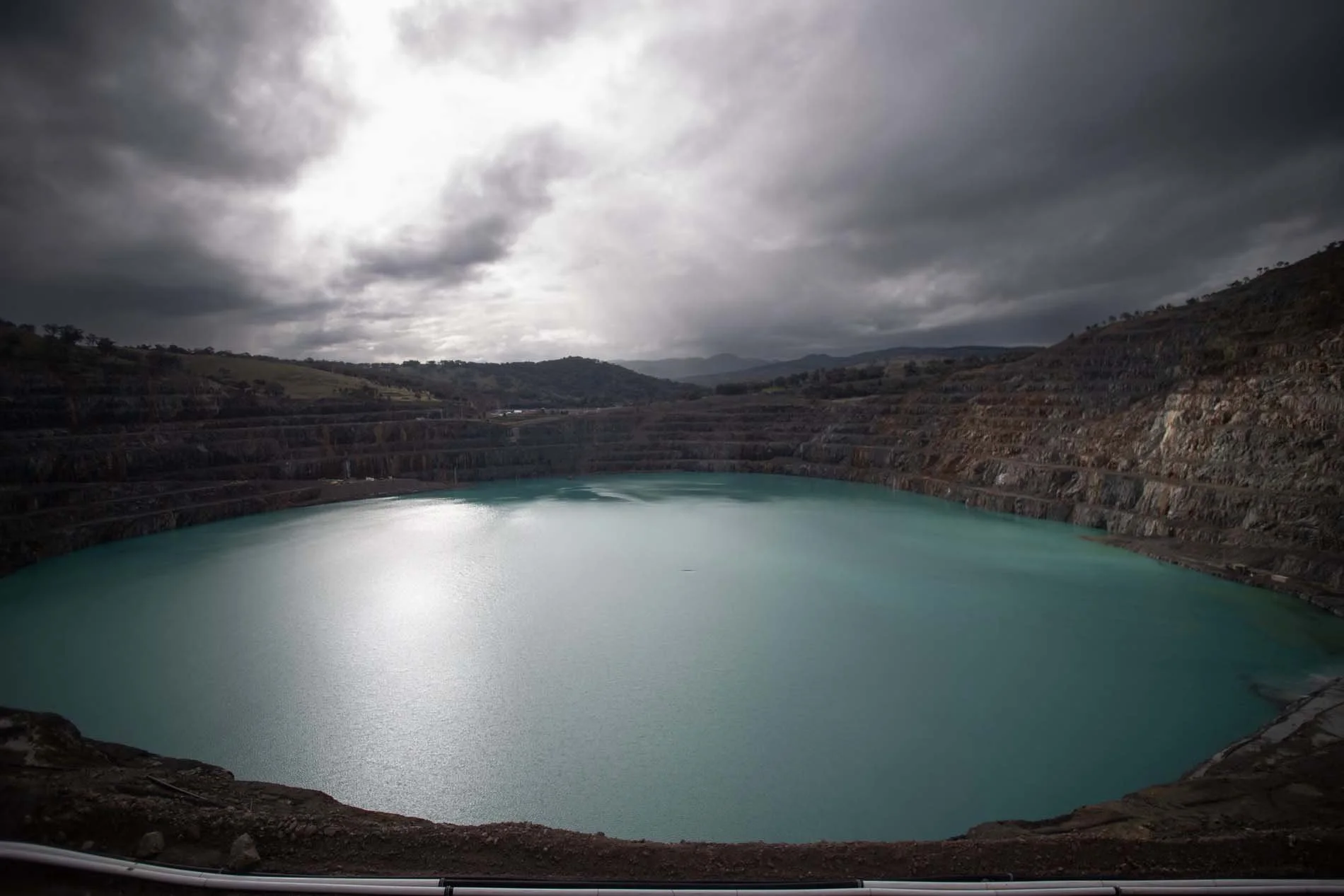
The mine owners then began storing that toxic mining waste in an old mining pit.
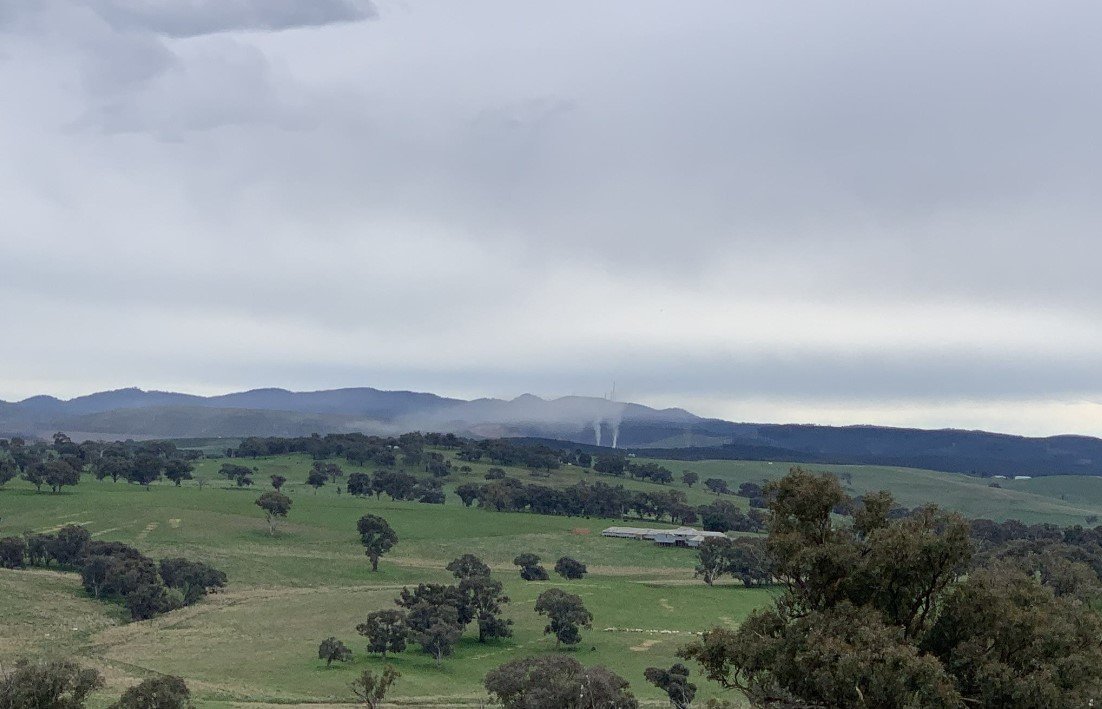
This had two serious consequences for the Cadia community.
First, the tailings dam dried out and toxic dust containing heavy metals such as arsenic and lead was blown as far as 50km over farms, homes and schools, and into rainwater tanks.
The dust events were exacerbated by high velocity exhaust fans which blew unfiltered dust (a cocktail of crushed silica and metalliferous dust) from the underground mine across the surrounding area. The community was told this was “steam”.
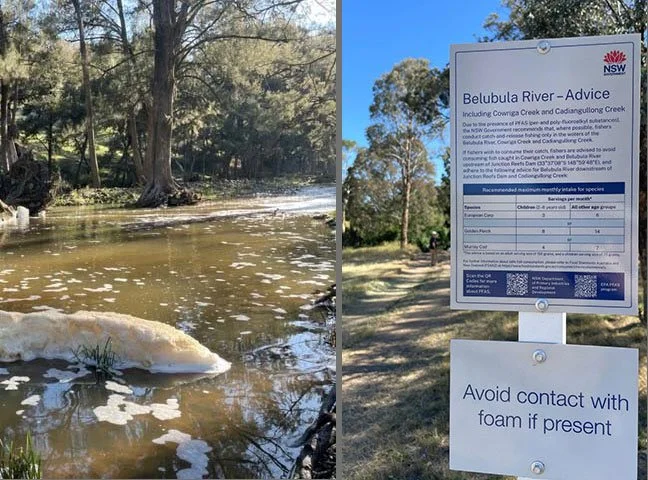
Second, the community believes tailings waste and mining chemicals began to leak into waterways and into the groundwater.
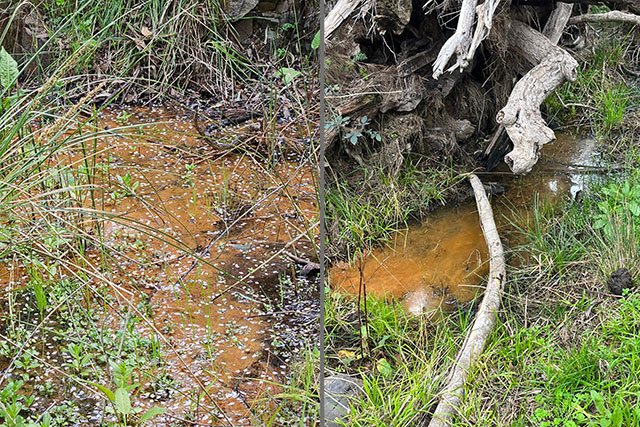
These include the “forever chemical” PFAS, as well as acidic chemicals used in mining, known as “river killers” for the multi-generational damage they cause.

While the mine owners have been prosecuted by the NSW EPA for offences relating to the dust pollution, they have denied responsibility for neighbouring properties, claiming that any contaminants will stop at the mine boundary.
By taking their case to the Supreme Court of NSW, local residents will challenge that denial and claim that the mine owners are responsible for a toxic trifecta of pollution affecting air, land and water in their community.
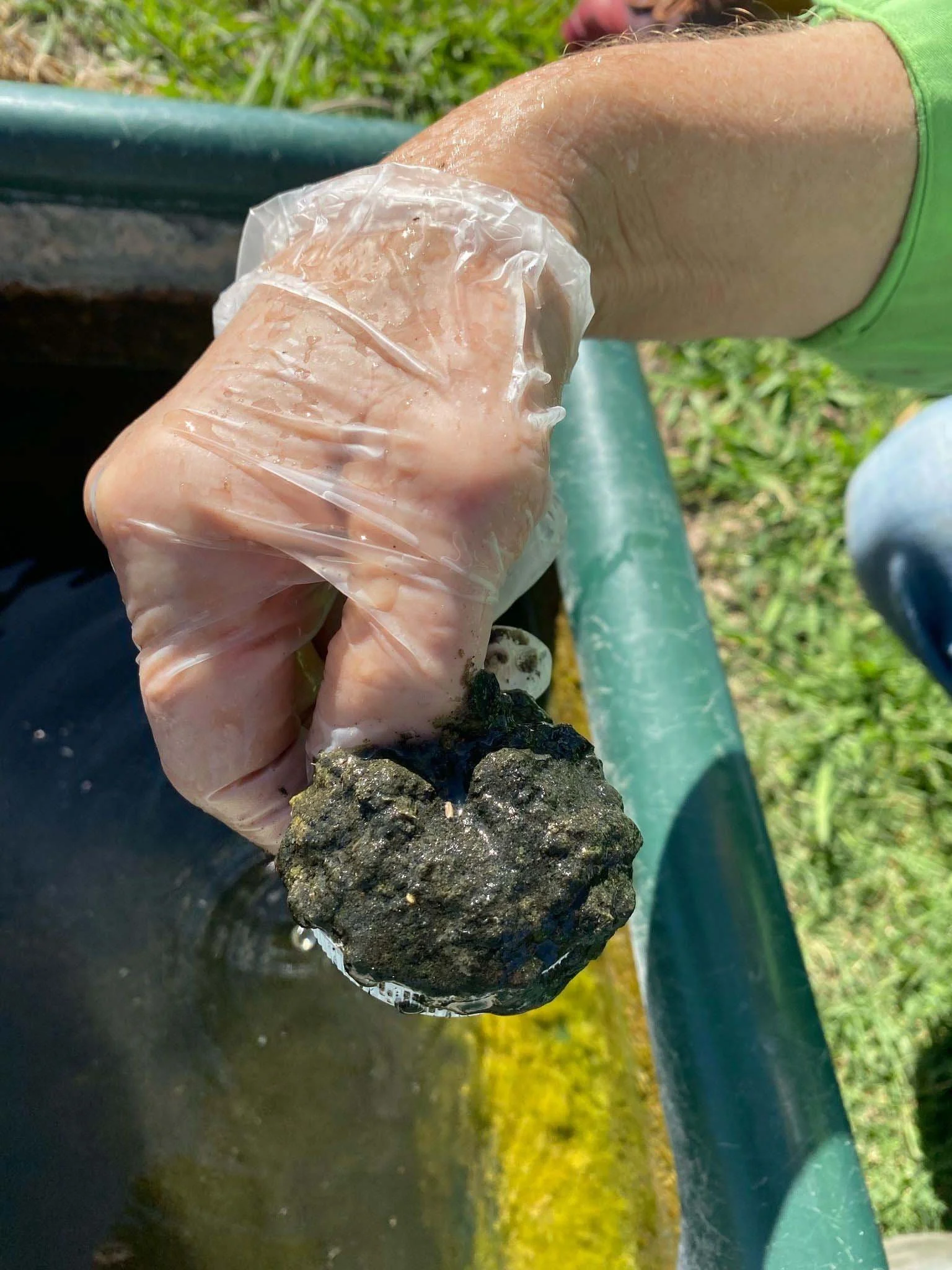
The impacts experienced by the community include drinking water tanks which contain toxic heavy metals, and livestock water that contains tailings.
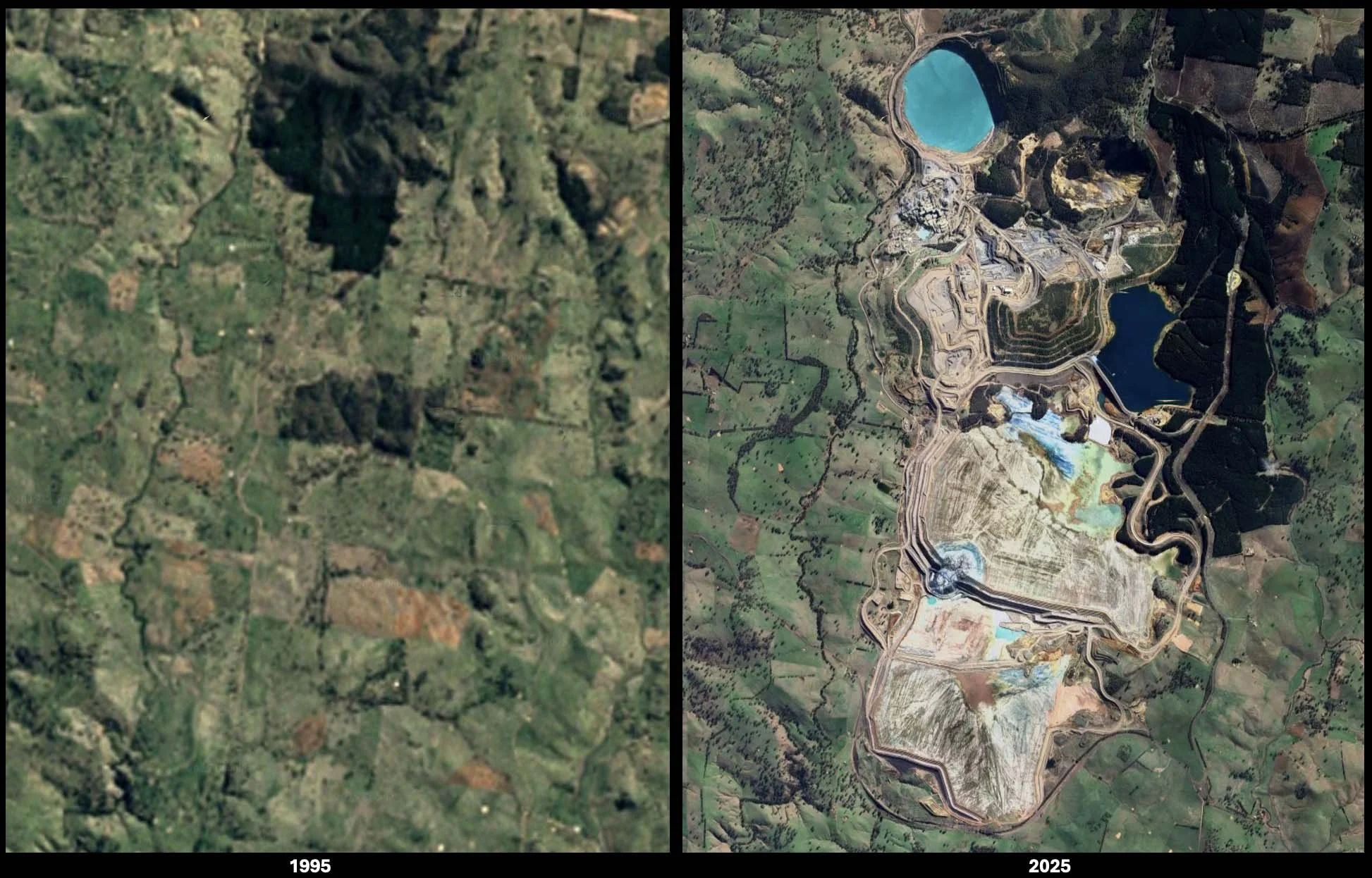
The Cadia operations consist of multiple mining leases and exploration titles covering a total area of about 215 square kilometres in the region or close to 30,000 football fields.
It is not enough for mining companies to point to investment and employment when challenged about their environmental impact.
Mining must be safe and sustainable for everyone—workers, communities and future generations.